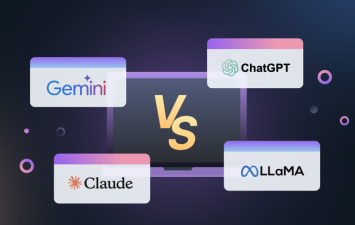
By 2025, various industries, government agencies, education systems, and even ordinary citizens are scrambling to adapt to the disruptive impact of artificial intelligence (AI). By 2026, the focus will shift to finding answers to the major questions about AI's impact on employment, business, and daily life. The emphasis has moved from reactive response to proactive reshaping to find our place in this brave, unfamiliar, and sometimes daunting new world.
In healthcare, this means implementing solutions proven effective in research, truly benefiting real life. In media and marketing, it means building systems that can adapt to and leverage trends like "zero-click," rather than being hindered by them. In daily life, as awareness of its potential risks deepens, AI will save time, free us from monotonous tasks, and enable us to work and live more efficiently and safely.
AI is becoming fully integrated into daily life.
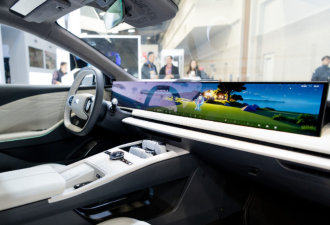
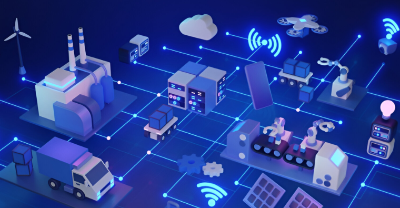
From intelligent assistants to autonomous driving, AI is no longer a laboratory concept. This year, more AI applications are entering homes, helping people improve their work efficiency and quality of life. Whether it's intelligent customer service, content creation, or medical diagnosis, AI is ubiquitous. More and more enterprises are integrating AI technology into their daily business processes, from data analysis and customer service to supply chain management and product development. AI is becoming a core engine driving enterprise digital transformation. Individual users are also benefiting, with products such as intelligent writing assistants, AI drawing tools, and smart home systems penetrating all aspects of life.
Breakthroughs in New Energy Technologies
With the continued global push towards carbon neutrality, new energy technologies are experiencing a new peak in development. Solid-state batteries, new photovoltaic materials, and hydrogen energy technologies are moving from the experimental stage to commercial applications, providing more possibilities for our green future. In the transportation sector, the range and charging speed of electric vehicles are constantly breaking records, making green travel more convenient. Many countries and regions have introduced more proactive new energy policies to promote the widespread application of clean energy in the power, industry, and construction sectors.
Metaverse and Spatial Computing
Although the hype surrounding metaverse has cooled somewhat, the development of spatial computing technology is paving new paths for the integration of virtual and reality. The lightweight design and enhanced functionality of AR glasses have revealed enormous application potential for augmented reality technology in education, healthcare, and industry. The way we work in the future will be fundamentally transformed, with remote collaboration becoming more immersive and efficient.

New Advances in Quantum Computing
Quantum computing is moving from theory to practice. Several tech giants have made significant breakthroughs in quantum error correction and quantum advantage. While large-scale commercialization is still some distance away, the application prospects of quantum computing are becoming increasingly clear. In fields such as drug discovery, financial modeling, and cryptography, quantum computing has demonstrated advantages that traditional computers cannot match.
Conclusion
Technological development never stops. Let us look forward to more exciting innovations and breakthroughs. The future is here, and each of us will be a witness and participant in this technological revolution.